
Is Low Boiler Pressure Dangerous?
DPA Admin • April 30, 2026
Is Low Boiler Pressure Dangerous?
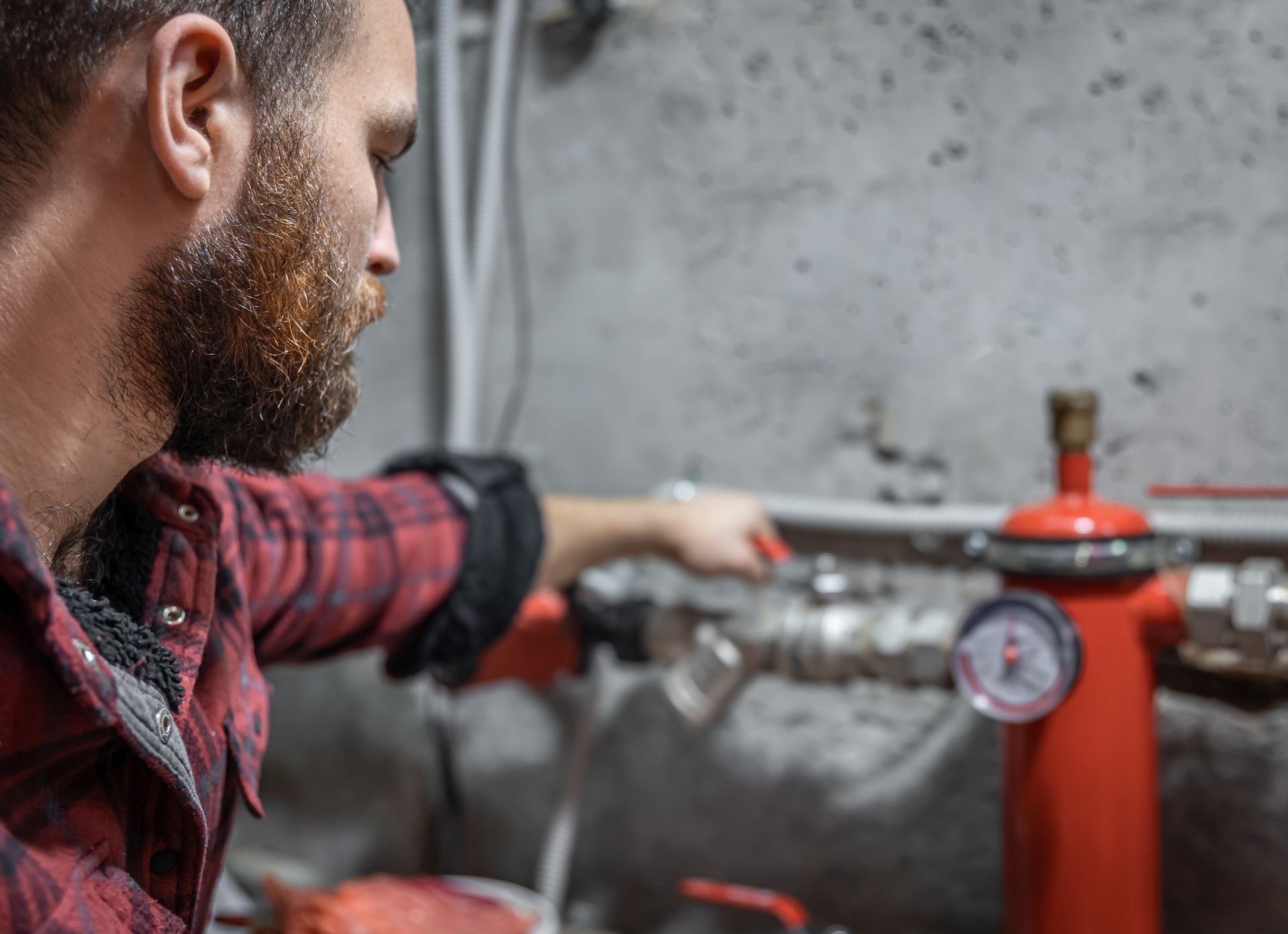
Have you heard of noises or seen weird radiators? Then your boiler’s pressure falls. You must be wondering if this low boiler pressure is dangerous?
Low pressure does not cause instant danger, but it stops the boiler from functioning properly, leading to insufficient heating. Moreover, this leads to a lack of hot water, high electricity bills, and can potentially damage internal compony?
No, boiler pressure is not directly dangerous because once the pressure drops, modern boilers have a built-in boiler safety mechanism. This is called a low water cut-off mechanism that automatically shuts off to prevent catastrophic damage or malfunction to the boiler. But it does not mean that we can leave a boiler at low pressure.
The ideal boiler pressure ranges between 1 and 1.5 when heating. Normally, boiler pressure can occasionally drop slightly below the range. Over time, using a boiler with low pressure can reduce efficiency, cause internal strain, and leave you without hot water in extreme urgency. It is ideal to check the Boiler pressure gauge
at least once a month.
What Causes Low Boiler Pressure?
1. Bleeding Radiators:
When more water is released compared to air.
2. Leaks:
Unexpected leakages, loose radiators, or corroded pipes or valves can cause low boiler pressure.
3. Air in the System:
Involvement of air bubbles in the radiators can lower the boiler pressure.
4. Faulty Components:
If the valves are damaged, the boiler pressure naturally drops.
Regularly checking the boiler pressure gauge helps individuals spot gradual pressure loss before it leads to hot water or heating issues.
Qualified technicians from All-Tex plumbing can carry out a comprehensive inspection and examination to identify the boiler issue and repair it as soon as possible.
When Does Low Boiler Pressure Become Dangerous?
Safety features of a boiler typically prevent catastrophic failure, but if pressure falls too low, it can pose a danger in certain conditions.
1. Combustion or Heat Exchange:
If low boiler pressure prevents water from entirely enveloping internal surfaces, the boiler may distort or overheat, leading to ruptures or cracks.
2. Chronic or Unnoticed Leakages:
In case your boiler system has hidden leakages, excessive water loss may expose boiler parts to corrosion, overheating, or structural failure.
3. Malfunctioning of Safety Devices:
If pressure sensors, safety cut-offs, or valves are malfunctioning, the boiler can continue operating in an unsafe state with low pressure.
4. Sudden Pressure Changes or Shock Load:
In case of sudden damage due to pressure low in the boiler, it exceeds the safety operating stress.
How to Increase Low Boiler Pressure?
At All Tex Boiler and Plumbing in Houston, we are here to guide you through the process of increasing low boiler pressure.
1. Safety First: Turn Off and Cool Down
Before you start, make sure to turn off your boiler and let it cool down completely. This is essential to avoid any accidents or scalding from hot water or pipes.
2. Checking the Filling Loop
Check whether both ends of the filling loop are securely fastened. The filling loop is the pipe that connects your boiler to the mains water supply.
3. Open the Valves
Once the filling loop is secure, open the valves at both ends. You can hear the sound of water filling your system. Keep an eye on the boiler pressure gauge as it rises.
4. Monitor the Pressure
Now, monitor it and let the pressure rise between 1 and 1.5 bar. Once it reaches the green zone, turn off the valves on the boiler filling loop one by one.
5. Restarting Your Boiler
Turn your boiler back on and press the reset button on the manual reset switch. Monitor the boiler pressure gauge to ensure it remains constant.
6. Final Checking
If you have an external filling loop, remove it by undoing both ends. Be prepared for some spillage, but it's easy to clean up. Keep the filling loop handy in case you need it again.
Increase your boiler pressure safely and efficiently. If you are still unsure or uncomfortable, do not hesitate to contact our expert team at All Tex Plumbing, the Boiler Repair Houston, TX.
Why Choose All-Tex Plumbing and Boiler Installation in Houston?
● We provide immediate response for installation and Boiler Repair in Houston, TX,
24/7.
● Our experts follow plumbing regulations and use the latest technologies.
● We offer transparency regarding services and competitive pricing for installation, boiler maintenance plans, and repairs.
Boiler pressure affects the water temperature, so keep checking the boiler condition and operating system. Schedule a boiler repair or installation plan with All-Tex Plumbing and enjoy the warmth in your home.
You might also like
BLOG
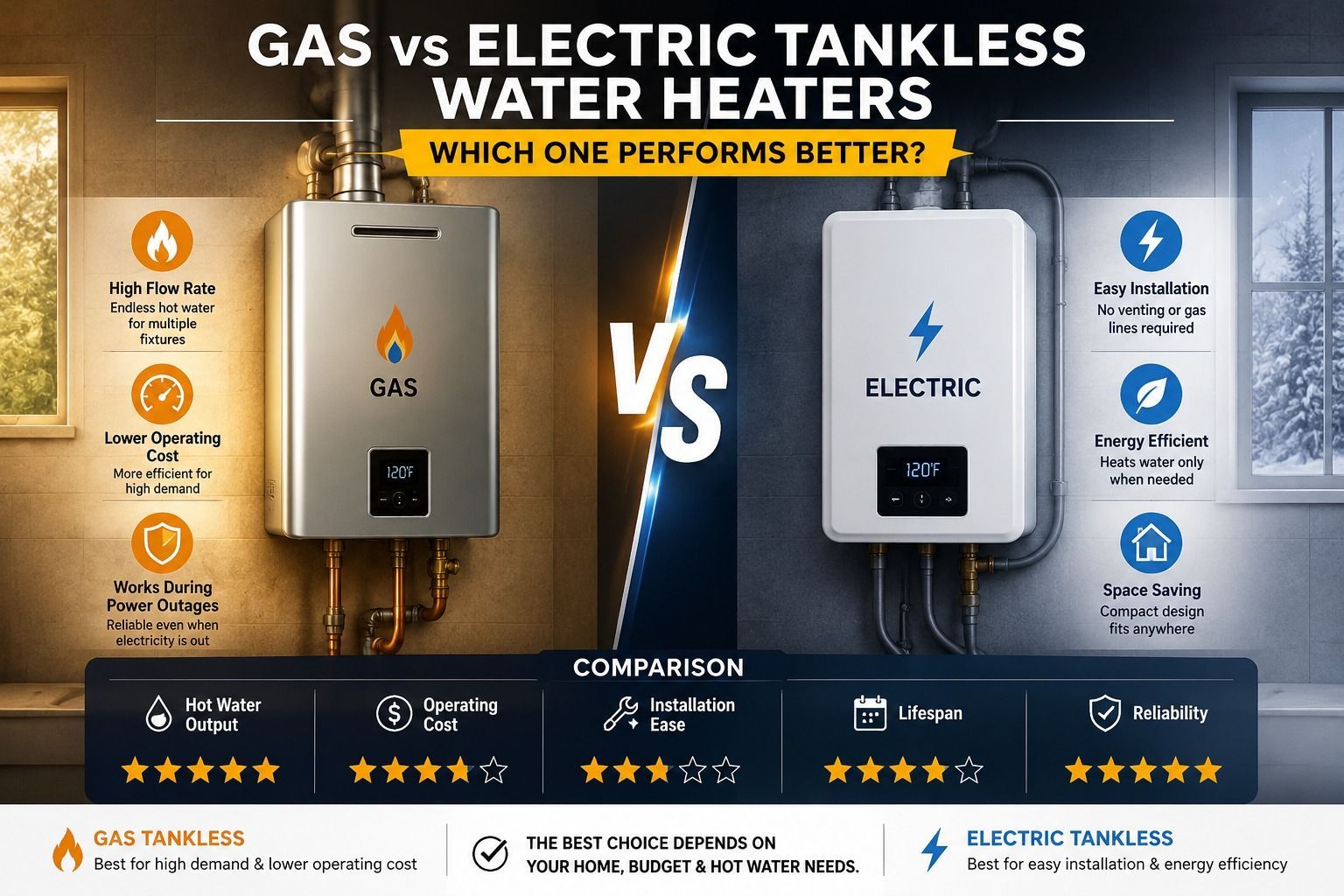
Picking a water heater isn’t just about hot showers. It hits your energy bills, your future plumbing costs, and honestly, how comfortable your whole house feels. Tankless units have taken off because they only fire up when you actually need hot water. So gas or electric, which one wins? Depends on a lot of factors. For example, your home’s energy setup, how much hot water your family requires on an average, what the installation involves, the space you’ve got, your budget, all of these matter. Once you understand how each system works, replacing that old unit gets a lot less confusing. What Is a Tankless Water Heater Also called an on-demand unit, it heats water the moment you turn the tap. Forget a tank holding gallons hot around the clock. The mechanism works like, cold water flows in, a gas burner or electric element heats it instantly, and it’s sent straight to your faucet or shower head. Here’s why people are switching: Hot water on tap Way less energy lost Takes up far less space than a bulky tank Usually cheaper to run long-term Lasts longer if you stay on top of maintenance Gas and electric water heaters don’t behave the same, though. Before you pick one, it’s worth understanding how each handles your household’s demand and can be beneficial. How Do Gas and Electric Tankless Water Heaters Work Both types skip the tank. That’s where the similarities stop. Gas units burn natural gas or propane. Turn on the tap, and a burner heats the water on the spot as it runs through. Electric versions also eliminate the flame. Heating elements do the job instead, water flows past them and comes out hot. Neither one keeps a reserve tank sitting around. But capacity, venting, and whether your home’s set up for gas or wired for the electrical load can make one option a much easier install than the other. Gas vs. Electric Tankless Water Heaters: Key Differences Gas vs electric tankless heaters really comes down to what you’re already working with in your walls. Gas units push out more hot water at once, which matters if your place tends to run the shower, dishwasher, and washing machine at the same time but that output comes at a cost. You’ll need proper venting for the exhaust, and depending on the unit, the gas line itself might need upgrading before installation. Electric models sidestep all of that. No combustion, no vent to install and the smaller footprint makes them a fit for tighter mechanical spaces. The catch shows up on the electrical side instead, a high-output electric tankless heater draws serious power, so your panel and wiring need to be able to back it up before you install. Pros of Gas Tankless Water Heaters Pros of Electric Tankless Water Heaters High hot water output Compact design Suitable for larger households No gas combustion Strong performance for simultaneous water usage No exhaust vent required Works well in homes with an existing natural gas supply Suitable for homes without natural gas service How to Turn Off Your Water Supply in the House Every homeowner runs into this at some point, a pipe bursts, a water heater connection fails or a leak just becomes irritating. Most people never touch the main shut-off valve until they’re standing in an inch of water. Find the main shut-off valve. Usually it’s near where the main line enters your house, but the exact spot depends on your home’s layout If it’s a wheel-style valve, turn it clockwise. If it’s a lever-style valve, turn the handle until it sits perpendicular to the pipe. Open a faucet once the valve’s off. This relieves pressure still sitting in the lines. Go check the affected area. Make sure the water’s actually stopped. Still flowing, or can’t find the valve at all? Call a plumber. All-Tex Plumbing recommends cutting the main water supply the second a serious plumbing emergency hits, it buys you time and limits the damage while we are on the way. 5 Plumbing Tips Every Homeowner Should Know New water heater install or just staying on top of maintenance, these five habits go a long way toward protecting your home. 1. Know your main water shut-off 2. Watch for leaks 3. Keep up with water heater maintenance 4. Don’t shrug off low water pressure 5. Book routine plumbing inspections A regular checkup flags problems while they’re small and cheap to fix, instead of after they’ve become an emergency call. It’s also a good chance to find out if your water heater’s actually sized right for your home. Gas vs Electric Tankless Installation Requirements and Costs Cost isn’t just about the unit price. It depends on home’s existing plumbing and utility infrastructure Going for a gas tankless water heater? You might need new gas lines, proper venting, a condensate drain on some models and extra safety work. Going for an electric tankless water heater? It needs enough capacity, dedicated circuits, and correct wiring and sometimes a full panel upgrade too. That’s why comparing MRP prices alone can be misleading. Have a plumber look at the whole setup before you choose to pick one. Which Tankless Water Heater Is Right for Your Home The choice should depend on your house, not personal preference. A large household running through hot water fast, gas tankless holds up better under that kind of demand. A smaller footprint or no natural gas line to the property then electric tankless usually makes a better fit. Stuck between the two? A plumber going through your actual setup will get you a straight answer faster than any comparison or price chart. All-Tex Plumbing covers water heaters, pipes, leaks, and sewer work for Houston homes and businesses. Need it looked at? Call any hour.
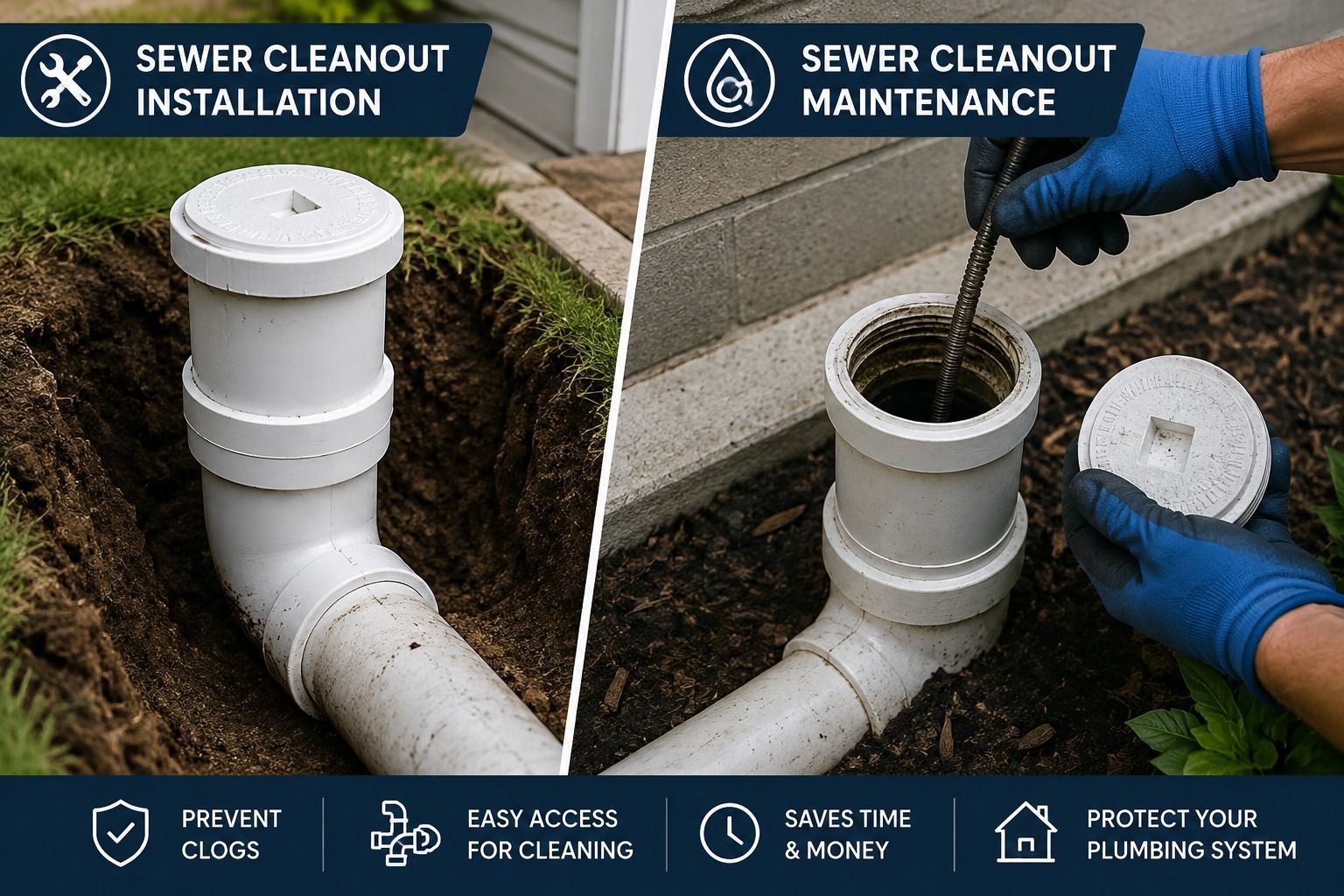
A sewer cleanout gives plumbers direct access to a property’s main sewer line. It works under a simple process. The cleanout has a removable cap. The plumber takes it off, and has a straight path into the pipe. From there they can run drain-cleaning tools or a camera through to inspect or clear the line. This matters most when problems keep coming back such as, slow drains, repeat clogs, sewage backups. A cleanout that’s installed right and easy to reach turns a big repair into a quick one. Most people don’t think about their cleanout until something backs up. If your drains clog often or you don’t know where your cleanout is located, get a plumber to check it. What Is a Sewer Cleanout It’s essentially a shortcut into your sewer line, a capped opening that lets a plumber in without digging up your entire setup. Pop the cap, and there’s direct access to the pipe. When something clogs in, the plumber pops the cap and inserts required tools straight through the cleanout. Why Is Sewer Cleanout Installation Important No sewer cleanout on your property? Finding the main line can be time consuming. Plumbers sometimes need to remove fixtures or excavate the yard just to reach the pipe. A properly installed cleanout skips all that. It gives you a direct point of entry for cleaning, inspections, and repairs, so nobody has to guess where a problem starts or tear up the yard to find out. Here’s what it actually gets you: Direct access to the main sewer line Sewer cleaning that doesn’t drag on Inspections without the runaround Blockages that are easier to pinpoint Less excavation, period Faster response when emergency repairs come up Simpler sewer cleanout maintenance, this year and every year after Older homes benefit the most. If your property’s had more than one sewer scare already, adding a cleanout now can spare you a bigger headache later. Step-by-Step Sewer Cleanout Installation Every property is different. So, how a sewer cleanout installation process actually goes, depends on the pipe material, depth, sewer layout and local code requirements. Here’s how a professional plumber typically handles the job. 1. Locate the Main Sewer Line The first step is to find the main sewer line. Plumbers pull this off using existing access points, property records, inspection cameras, or specialized locating tools. Accurate location means the new cleanout ends up exactly where it needs to be. 2. Choose the Cleanout Location Not every location is suitable. The cleanout has to be somewhere easy to reach, because sooner or later someone’s coming back for cleaning or inspection. Before picking the spot, the plumber factors in everything that makes the spot a good one. 3. Expose the Sewer Pipe Underground pipe means digging. The plumber excavates just enough to expose the section where the cleanout will connect. Careful excavation keeps the yard, driveway, or whatever’s up top from taking unnecessary damage. 4. Connect the Cleanout Now the cleanout fitting goes in. It connects to the existing sewer line and alignment matters here. The sealing is equally important. A loose connection means leak down and that’s a headache. 5. Install the Cleanout Cap As a hardware step, a removable cap goes over the access opening. It keeps dirt, debris and anything else out of the sewer line but still pops off easily when a plumber needs access again. 6. Test the Sewer Connection Once everything is connected, the plumber runs a test. Water needs to flow through cleanly, no leaks, nothing backing up. If the connection passes the inspection, it is good to go. What Is Sewer Cleanout Maintenance Sewer cleanout maintenance is all about keeping the access point clear, capped, and ready to go. When a plumber needs to get into the main line fast, a clogged or hidden cleanout slows everything down. A few things worth checking on regularly: Clear soil, mulch, or debris away from the cleanout Make sure the cap is on tight and undamaged Look for cracks around the fitting Watch for water or sewage pooling nearby Book a professional inspection now and then Deal with recurring sewer issues before they turn into a real problem Signs Your Sewer Cleanout Needs Attention Catching the warning signs early is what keeps a small sewer issue from becoming an expensive one. Watch for: Drains clogging often Several slow drains at once Sewage smell around the property Gurgling sounds from drains Standing water or sewage near the cleanout A cracked or missing cleanout cap Wastewater coming back up through sinks or tubs What Is Sewer Repair Sewer repair means fixing whatever’s gone wrong with the line. Blocked, leaked, cracked, or just old and failing. At times, roots get in, pipes age and shift, connections fail. There’s more than one way a sewer line can get damaged. The fix depends on the problem. All-Tex Plumbing covers sewer repair and maintenance for homes and businesses throughout Houston. Wondering when to call us? Here’s when: Backups happening more than once Several drains clogging at the same time A sewage smell that won’t go away Water pooling near the cleanout Cracks, shifting, or visible damage to the sewer line A damaged cleanout cap Having a cleanout on the property helps here too. It gives plumbers a direct line in for inspection, cleaning, and a lot of repair work, without wasting much time. Keep Your Sewer Cleanout Ready Sewer cleanouts don’t get attention until something backs up. By then it’s a bigger job. A properly installed cleanout gives your plumber fast access to the main line for cleaning, inspection, and repair and regular sewer cleanout maintenance keeps that access point working when you actually need it. Call All-Tex Plumbing for sewer cleanout installation and sewer cleanout maintenance in Houston and Lafayette today!

Learn how to turn off your home water supply with expert tips from All-Tex Boiler & Plumbing Services. Get reliable plumbing solutions to protect your system today!