The Key Benefits of Regular Boiler Maintenance: Save Money & Boost Efficiency

DPA Admin • September 30, 2024

Your boiler plays a critical role in keeping your home or business warm and comfortable, especially during the colder months. However, like any mechanical system, a boiler requires regular maintenance to function efficiently and safely. Investing in routine boiler maintenance not only ensures your system operates at peak performance but also prevents costly breakdowns and extends the lifespan of your equipment.


Why Regular Boiler Maintenance is a Smart Investment


Here are the key benefits of regular boiler maintenance and why it’s worth the investment for homeowners and businesses alike.
The Benefits of Regular Boiler

1. Improved Boiler Efficiency


One of the most significant benefits of regular boiler maintenance is its efficiency boost. Boilers, especially older models, can lose efficiency over time due to wear and tear, buildup of dirt, or blockages. When a boiler isn’t operating efficiently, it consumes more energy to produce the same heat level, leading to higher utility bills.


Regular maintenance helps improve the efficiency of your boiler by ensuring that:

  • Components are cleaned: Dirt and debris can accumulate over time, clogging system parts and reducing efficiency. Professional maintenance includes cleaning the boiler’s internal components to ensure smooth operation.
  • Flue and gas pressure are checked. Proper pressure ensures that the boiler burns fuel efficiently, maximizing energy output while minimizing waste.
  • Airflow is optimized: Any obstructions or issues with airflow can reduce efficiency. Maintenance checks ensure that air is flowing correctly through the system.

A well-maintained boiler runs more efficiently, consuming less energy, which means you’ll see lower heating   costs over time.


If you need professional plumbing service in Houston, make sure to schedule regular maintenance for all your plumbing systems.


2. Reducing Repair Costs


One of the key reasons many people avoid scheduling regular boiler maintenance is the misconception that it’s an unnecessary expense. In reality, regular maintenance can save you money by preventing larger, more costly repairs of a malfunctioning boiler down the line. Over time, minor issues can turn into significant problems if left unchecked.


During routine maintenance, a professional technician can identify and fix minor issues before they become serious. By catching problems, we can avoid:

  • Cos y emergency repairs: A sudden boiler breakdown can be expensive, particularly during peak heating season when you need it most.
  • Complete boiler failure: In some cases, failure to address minor issues can lead to the need for a complete boiler replacement, which is far more expensive than routine maintenance.

Regular boiler maintenance helps keep the system in good working order, preventing unexpected and often costly repair needs.


3. Extended Equipment Lifespan


Every boiler has a lifespan, typically 10 to 15 years, depending on the model and how well it’s maintained. One of the significant benefits of regular boiler maintenance is that it can significantly extend the life of your equipment. Ensuring that your boiler remains in optimal condition reduces the wear and tear that naturally occurs over time.


Maintenance tasks such as cleaning, lubricating moving parts, and replacing worn-out components all contribute to the longevity of your boiler. This helps you get the most out of your initial investment and delays the need for a replacement. A well-maintained boiler can last several years beyond its expected lifespan, saving you the cost of purchasing a new unit prematurely.


4. Increased Safety


Boilers are complex systems that operate under high pressure and burn fuel to generate heat. Not properly maintained, they can pose safety risks, including gas leaks, carbon monoxide poisoning, or even explosions. Regular maintenance ensures that:


  • The boiler is operating safely: A technician will inspect and test all safety controls, gas connections, and pressure levels to ensure everything functions as it should.
  • Potential hazards are identified early: Regular checks help catch any possible safety concerns, such as worn-out seals or faulty parts, before they lead to dangerous situations.

Scheduling routine maintenance provides peace of mind knowing that your boiler is operating safely and efficiently.

For boiler installation near me, ensure that your new system is installed correctly and safely by our experts.


5. Consistent Heating Performance


Have you ever noticed that your boiler struggles to maintain a consistent temperature or takes longer to heat your space? This is often a sign that your boiler is not functioning optimally. Regular maintenance helps ensure that your boiler provides consistent and reliable heating, no matter the weather outside.

Maintenance tasks, such as inspecting thermostats, checking pressure levels, and calibrating the system, help ensure your boiler can quickly and efficiently heat your home or business without fluctuating temperatures. This level of consistency improves overall comfort and helps avoid frustration during cold weather.


6. Environmental Benefits


In addition to the financial and practical advantages, regular boiler maintenance also has environmental benefits. An inefficient boiler consumes more energy, which increases your carbon footprint. By keeping your boiler in peak working condition, you’re using less fuel and contributing to a more sustainable environment.

Energy-efficient boilers release fewer harmful emissions, making regular maintenance a smart financial decision and an environmentally responsible one.


Don’t Wait for a Breakdown


The benefits of regular boiler maintenance are clear. Don’t wait until your boiler breaks down during the coldest months of the year – schedule a maintenance check and enjoy the peace of mind that comes with a reliable and efficient heating system.


All-Tex Boiler & Plumbing Services offers comprehensive boiler maintenance, repair, and replacement services for residential and commercial properties. The highly trained and licensed plumbers are dedicated to providing top-notch service 24 hours a day, 365 days a year.


You might also like

BLOG
By DPA Admin August 17, 2026
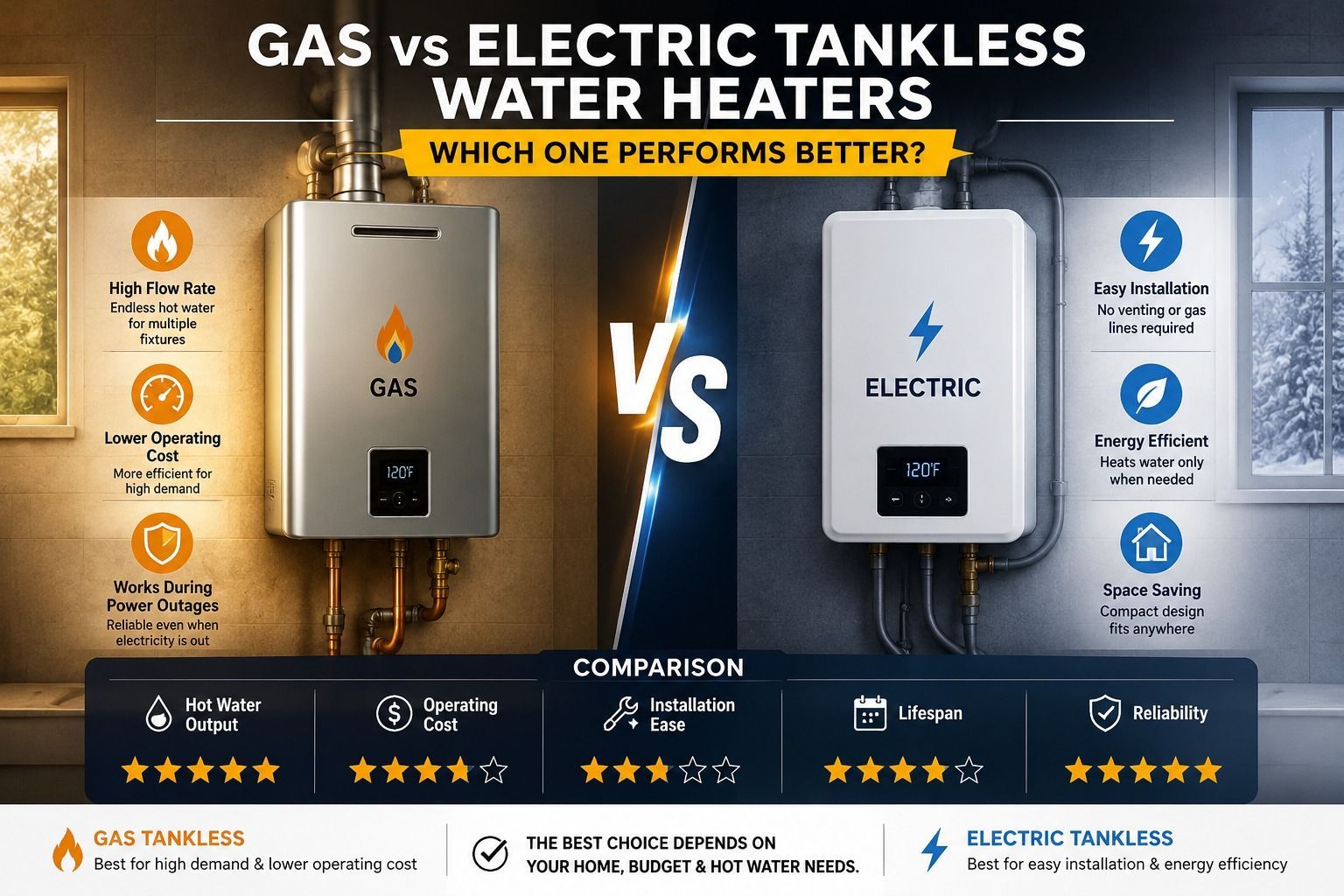
Picking a water heater isn’t just about hot showers. It hits your energy bills, your future plumbing costs, and honestly, how comfortable your whole house feels. Tankless units have taken off because they only fire up when you actually need hot water. So gas or electric, which one wins? Depends on a lot of factors. For example, your home’s energy setup, how much hot water your family requires on an average, what the installation involves, the space you’ve got, your budget, all of these matter. Once you understand how each system works, replacing that old unit gets a lot less confusing. What Is a Tankless Water Heater Also called an on-demand unit, it heats water the moment you turn the tap. Forget a tank holding gallons hot around the clock. The mechanism works like, cold water flows in, a gas burner or electric element heats it instantly, and it’s sent straight to your faucet or shower head. Here’s why people are switching: Hot water on tap Way less energy lost Takes up far less space than a bulky tank Usually cheaper to run long-term Lasts longer if you stay on top of maintenance Gas and electric water heaters don’t behave the same, though. Before you pick one, it’s worth understanding how each handles your household’s demand and can be beneficial. How Do Gas and Electric Tankless Water Heaters Work Both types skip the tank. That’s where the similarities stop. Gas units burn natural gas or propane. Turn on the tap, and a burner heats the water on the spot as it runs through. Electric versions also eliminate the flame. Heating elements do the job instead, water flows past them and comes out hot. Neither one keeps a reserve tank sitting around. But capacity, venting, and whether your home’s set up for gas or wired for the electrical load can make one option a much easier install than the other. Gas vs. Electric Tankless Water Heaters: Key Differences Gas vs electric tankless heaters really comes down to what you’re already working with in your walls. Gas units push out more hot water at once, which matters if your place tends to run the shower, dishwasher, and washing machine at the same time but that output comes at a cost. You’ll need proper venting for the exhaust, and depending on the unit, the gas line itself might need upgrading before installation. Electric models sidestep all of that. No combustion, no vent to install and the smaller footprint makes them a fit for tighter mechanical spaces. The catch shows up on the electrical side instead, a high-output electric tankless heater draws serious power, so your panel and wiring need to be able to back it up before you install. Pros of Gas Tankless Water Heaters Pros of Electric Tankless Water Heaters  High hot water output Compact design Suitable for larger households No gas combustion Strong performance for simultaneous water usage No exhaust vent required Works well in homes with an existing natural gas supply Suitable for homes without natural gas service How to Turn Off Your Water Supply in the House Every homeowner runs into this at some point, a pipe bursts, a water heater connection fails or a leak just becomes irritating. Most people never touch the main shut-off valve until they’re standing in an inch of water. Find the main shut-off valve. Usually it’s near where the main line enters your house, but the exact spot depends on your home’s layout If it’s a wheel-style valve, turn it clockwise. If it’s a lever-style valve, turn the handle until it sits perpendicular to the pipe. Open a faucet once the valve’s off. This relieves pressure still sitting in the lines. Go check the affected area. Make sure the water’s actually stopped. Still flowing, or can’t find the valve at all? Call a plumber. All-Tex Plumbing recommends cutting the main water supply the second a serious plumbing emergency hits, it buys you time and limits the damage while we are on the way. 5 Plumbing Tips Every Homeowner Should Know New water heater install or just staying on top of maintenance, these five habits go a long way toward protecting your home. 1. Know your main water shut-off 2. Watch for leaks 3. Keep up with water heater maintenance 4. Don’t shrug off low water pressure 5. Book routine plumbing inspections A regular checkup flags problems while they’re small and cheap to fix, instead of after they’ve become an emergency call. It’s also a good chance to find out if your water heater’s actually sized right for your home. Gas vs Electric Tankless Installation Requirements and Costs Cost isn’t just about the unit price. It depends on home’s existing plumbing and utility infrastructure Going for a gas tankless water heater? You might need new gas lines, proper venting, a condensate drain on some models and extra safety work. Going for an electric tankless water heater? It needs enough capacity, dedicated circuits, and correct wiring and sometimes a full panel upgrade too. That’s why comparing MRP prices alone can be misleading. Have a plumber look at the whole setup before you choose to pick one. Which Tankless Water Heater Is Right for Your Home The choice should depend on your house, not personal preference. A large household running through hot water fast, gas tankless holds up better under that kind of demand. A smaller footprint or no natural gas line to the property then electric tankless usually makes a better fit. Stuck between the two? A plumber going through your actual setup will get you a straight answer faster than any comparison or price chart. All-Tex Plumbing covers water heaters, pipes, leaks, and sewer work for Houston homes and businesses. Need it looked at? Call any hour.
By DPA Admin August 17, 2026
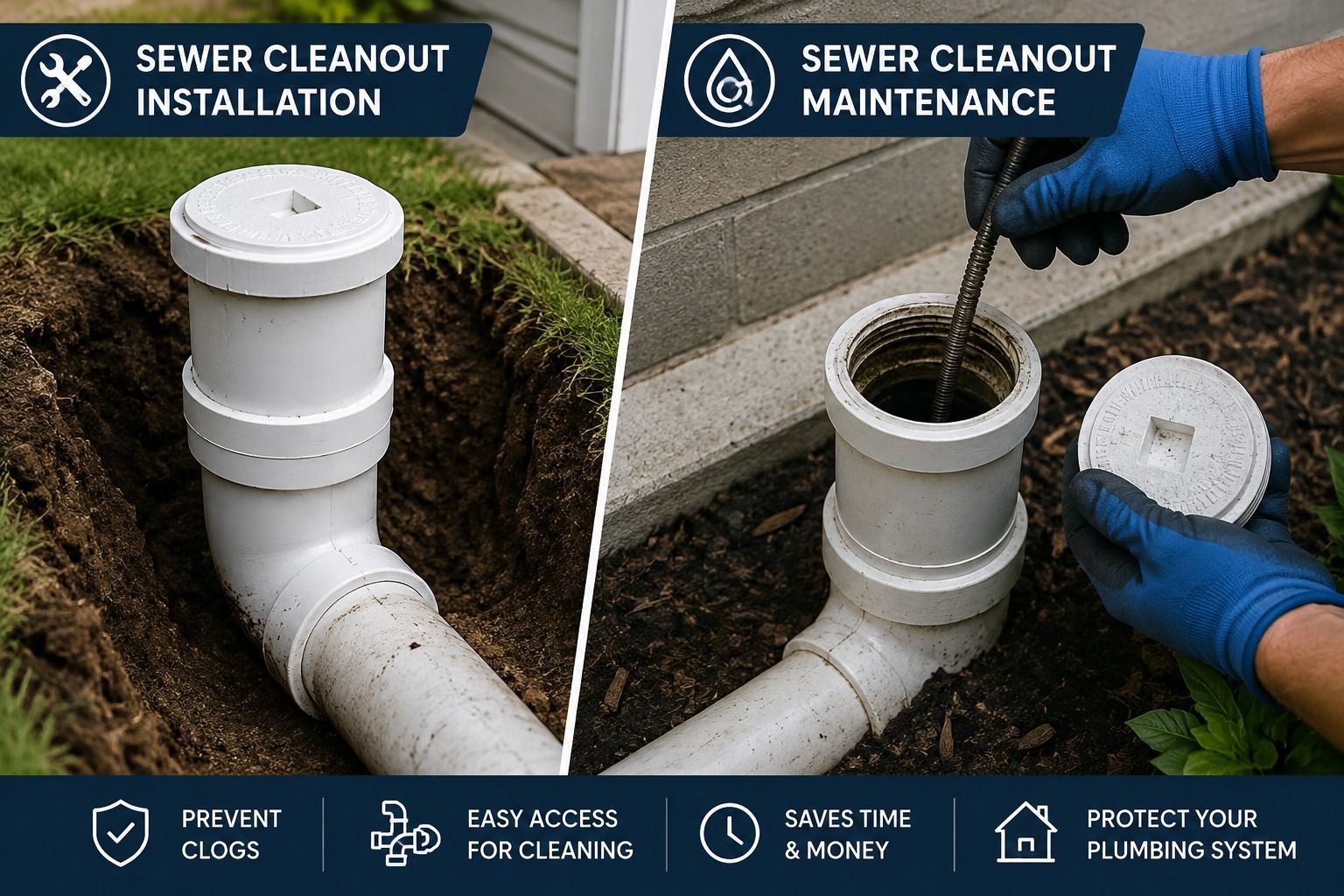
A sewer cleanout gives plumbers direct access to a property’s main sewer line. It works under a simple process. The cleanout has a removable cap. The plumber takes it off, and has a straight path into the pipe. From there they can run drain-cleaning tools or a camera through to inspect or clear the line. This matters most when problems keep coming back such as, slow drains, repeat clogs, sewage backups. A cleanout that’s installed right and easy to reach turns a big repair into a quick one. Most people don’t think about their cleanout until something backs up. If your drains clog often or you don’t know where your cleanout is located, get a plumber to check it. What Is a Sewer Cleanout It’s essentially a shortcut into your sewer line, a capped opening that lets a plumber in without digging up your entire setup. Pop the cap, and there’s direct access to the pipe. When something clogs in, the plumber pops the cap and inserts required tools straight through the cleanout. Why Is Sewer Cleanout Installation Important No sewer cleanout on your property? Finding the main line can be time consuming. Plumbers sometimes need to remove fixtures or excavate the yard just to reach the pipe. A properly installed cleanout skips all that. It gives you a direct point of entry for cleaning, inspections, and repairs, so nobody has to guess where a problem starts or tear up the yard to find out. Here’s what it actually gets you: Direct access to the main sewer line Sewer cleaning that doesn’t drag on Inspections without the runaround Blockages that are easier to pinpoint Less excavation, period Faster response when emergency repairs come up Simpler sewer cleanout maintenance, this year and every year after Older homes benefit the most. If your property’s had more than one sewer scare already, adding a cleanout now can spare you a bigger headache later. Step-by-Step Sewer Cleanout Installation Every property is different. So, how a sewer cleanout installation process actually goes, depends on the pipe material, depth, sewer layout and local code requirements. Here’s how a professional plumber typically handles the job. 1. Locate the Main Sewer Line The first step is to find the main sewer line. Plumbers pull this off using existing access points, property records, inspection cameras, or specialized locating tools. Accurate location means the new cleanout ends up exactly where it needs to be. 2. Choose the Cleanout Location Not every location is suitable. The cleanout has to be somewhere easy to reach, because sooner or later someone’s coming back for cleaning or inspection. Before picking the spot, the plumber factors in everything that makes the spot a good one. 3. Expose the Sewer Pipe Underground pipe means digging. The plumber excavates just enough to expose the section where the cleanout will connect. Careful excavation keeps the yard, driveway, or whatever’s up top from taking unnecessary damage. 4. Connect the Cleanout Now the cleanout fitting goes in. It connects to the existing sewer line and alignment matters here. The sealing is equally important. A loose connection means leak down and that’s a headache. 5. Install the Cleanout Cap As a hardware step, a removable cap goes over the access opening. It keeps dirt, debris and anything else out of the sewer line but still pops off easily when a plumber needs access again. 6. Test the Sewer Connection Once everything is connected, the plumber runs a test. Water needs to flow through cleanly, no leaks, nothing backing up. If the connection passes the inspection, it is good to go. What Is Sewer Cleanout Maintenance Sewer cleanout maintenance is all about keeping the access point clear, capped, and ready to go. When a plumber needs to get into the main line fast, a clogged or hidden cleanout slows everything down. A few things worth checking on regularly: Clear soil, mulch, or debris away from the cleanout Make sure the cap is on tight and undamaged Look for cracks around the fitting Watch for water or sewage pooling nearby Book a professional inspection now and then Deal with recurring sewer issues before they turn into a real problem Signs Your Sewer Cleanout Needs Attention Catching the warning signs early is what keeps a small sewer issue from becoming an expensive one. Watch for: Drains clogging often Several slow drains at once Sewage smell around the property Gurgling sounds from drains Standing water or sewage near the cleanout A cracked or missing cleanout cap Wastewater coming back up through sinks or tubs What Is Sewer Repair Sewer repair means fixing whatever’s gone wrong with the line. Blocked, leaked, cracked, or just old and failing. At times, roots get in, pipes age and shift, connections fail. There’s more than one way a sewer line can get damaged. The fix depends on the problem. All-Tex Plumbing covers sewer repair and maintenance for homes and businesses throughout Houston. Wondering when to call us? Here’s when: Backups happening more than once Several drains clogging at the same time A sewage smell that won’t go away Water pooling near the cleanout Cracks, shifting, or visible damage to the sewer line A damaged cleanout cap Having a cleanout on the property helps here too. It gives plumbers a direct line in for inspection, cleaning, and a lot of repair work, without wasting much time. Keep Your Sewer Cleanout Ready Sewer cleanouts don’t get attention until something backs up. By then it’s a bigger job. A properly installed cleanout gives your plumber fast access to the main line for cleaning, inspection, and repair and regular sewer cleanout maintenance keeps that access point working when you actually need it. Call All-Tex Plumbing for sewer cleanout installation and sewer cleanout maintenance in Houston and Lafayette today!
boiler repair houston
By DPA Admin April 30, 2026
Worried about low boiler pressure? All-Tex Boiler & Plumbing Services provides expert solutions to ensure safety, improve efficiency, and keep your heating system running smoothly. Contact us today!