Top 5 Signs Your Boiler Needs Repair or Replacement

DPA Admin • September 23, 2024

A well-functioning boiler is essential for keeping your home or business comfortable, especially during colder months. However, like any mechanical system, boilers have a lifespan and can develop issues over time. Knowing when your boiler needs repair or replacement can prevent more extensive damage and save you from unexpected breakdowns. 


Here are the top five boiler repair signs that you must watch out for:
Top 5 Signs Your Boiler Needs Repair or Replacement

 Top Five Boiler Repair Signs

1. Unusual Noises: A Clanging or Hissing Boiler

Boilers typically operate quietly, so if you start hearing strange noises like clanging, hissing, or banging, this is a clear sign of a malfunctioning boiler. These sounds can indicate various issues, such as:

  • Clanging or banging: This could be caused by trapped air in the system or loose components. It could also signal that limescale has built up in the heat exchanger, leading to "kettling," a boiling noise caused by water overheating.
  • Hissing: A hissing sound may indicate a leak or air bubbles in the system.


If you notice any unusual noises, it’s important to call a professional for boiler repair as soon as possible to prevent further damage and costly repairs.

2. Inconsistent Heating: Uneven Room Temperatures

One of the most common signs that your boiler is malfunctioning is inconsistent heating throughout your home or commercial space. If certain rooms are much colder than others, or you notice fluctuating temperatures, this may be due to:


  • Boiler inefficiency: Over time, boilers lose their ability to heat your property evenly.
  • Malfunctioning thermostat: Your thermostat may accurately communicate with the boiler, leading to uneven heating.


Inconsistent heating affects your comfort and indicates that your boiler may be nearing the end of its life. A professional assessment can determine whether the issue can be fixed or if it's time for a boiler replacement.

3. Frequent Breakdowns: The Boiler Is Constantly Needing Repairs

If you’re constantly dealing with boiler breakdowns and frequent repairs, it may be a sign that the system is on its last legs. While the occasional repair is normal, consistent breakdowns mean that the boiler is becoming unreliable. Over time, the cost of repairs can add up, and it may make more financial sense to invest in a replacement.


  • Age of the boiler: Most boilers last around 10-15 years. If your boiler is nearing or has exceeded this lifespan, frequent repairs are a clear signal that a replacement may be more cost-effective in the long run.


4. High Energy Bills: Rising Costs Without Increased Usage

Have you noticed that your energy bills are steadily increasing even though your usage hasn’t changed? This could be due to a boiler that’s no longer working efficiently.


As boilers age, they become less effective at heating water, meaning they must work harder and use more energy to provide the same warmth. A boiler that struggles to operate efficiently can result in much higher utility bills, a telltale sign that it’s time to repair or replace the system.


  • Solution: Routine boiler maintenance can help prolong the life of your system, but if the energy bills keep climbing, it may be time to consider a replacement.

5. Leaks or Water Damage Around the Boiler

Water leaking from your boiler or around the pipes is a serious issue that should be addressed immediately. Leaks can not only damage your property but can also signal a larger problem within the boiler itself, such as:


  • Corroded parts: Corrosion over time can weaken key components of the boiler, leading to leaks.
  • Pressure problems: Boilers operate under high pressure, and if this pressure is not regulated properly, it can lead to leaks, or worse, a boiler explosion.

If you notice any signs of water pooling near your boiler, contact a professional immediately to prevent further damage. Depending on the severity of the issue, the plumber may recommend repairs or a full boiler replacement.

Why Wait for a Complete Breakdown?

If you notice any of these signs, it’s important not to wait for a complete breakdown. Addressing issues early on can save you money and prevent you from being without heat when needed most. Regular boiler maintenance is key to extending the life of your system, but when the time comes, knowing when to repair or replace your boiler can ensure your home or business stays warm and comfortable.

If you’re experiencing any of these issues with your boiler, Contact All-Tex Boiler & Plumbing Services. Whether your needs are residential or commercial, their Houston and Louisiana-based team of experts is available 24/7 to handle them. 

You might also like

BLOG
By DPA Admin August 17, 2026
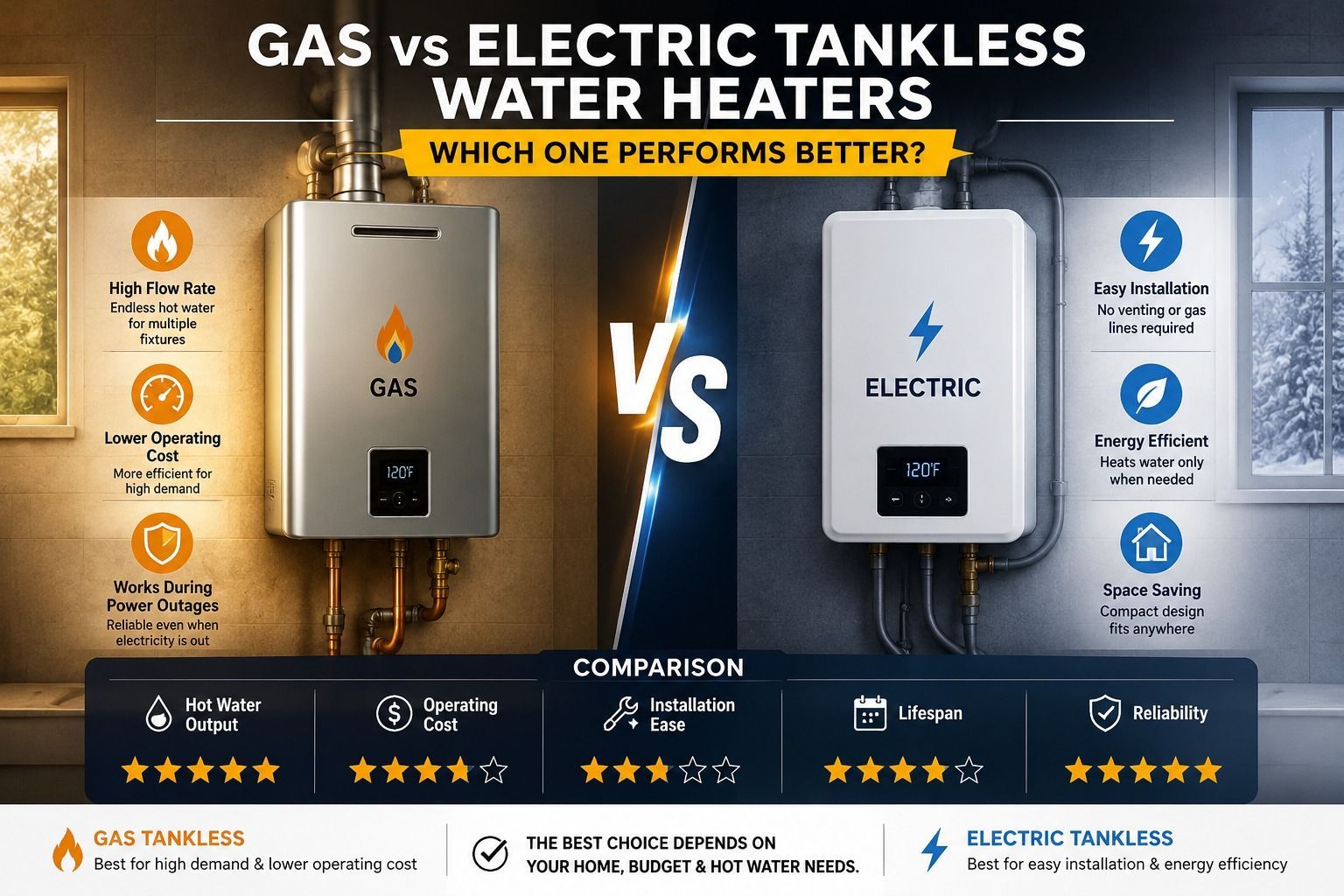
Picking a water heater isn’t just about hot showers. It hits your energy bills, your future plumbing costs, and honestly, how comfortable your whole house feels. Tankless units have taken off because they only fire up when you actually need hot water. So gas or electric, which one wins? Depends on a lot of factors. For example, your home’s energy setup, how much hot water your family requires on an average, what the installation involves, the space you’ve got, your budget, all of these matter. Once you understand how each system works, replacing that old unit gets a lot less confusing. What Is a Tankless Water Heater Also called an on-demand unit, it heats water the moment you turn the tap. Forget a tank holding gallons hot around the clock. The mechanism works like, cold water flows in, a gas burner or electric element heats it instantly, and it’s sent straight to your faucet or shower head. Here’s why people are switching: Hot water on tap Way less energy lost Takes up far less space than a bulky tank Usually cheaper to run long-term Lasts longer if you stay on top of maintenance Gas and electric water heaters don’t behave the same, though. Before you pick one, it’s worth understanding how each handles your household’s demand and can be beneficial. How Do Gas and Electric Tankless Water Heaters Work Both types skip the tank. That’s where the similarities stop. Gas units burn natural gas or propane. Turn on the tap, and a burner heats the water on the spot as it runs through. Electric versions also eliminate the flame. Heating elements do the job instead, water flows past them and comes out hot. Neither one keeps a reserve tank sitting around. But capacity, venting, and whether your home’s set up for gas or wired for the electrical load can make one option a much easier install than the other. Gas vs. Electric Tankless Water Heaters: Key Differences Gas vs electric tankless heaters really comes down to what you’re already working with in your walls. Gas units push out more hot water at once, which matters if your place tends to run the shower, dishwasher, and washing machine at the same time but that output comes at a cost. You’ll need proper venting for the exhaust, and depending on the unit, the gas line itself might need upgrading before installation. Electric models sidestep all of that. No combustion, no vent to install and the smaller footprint makes them a fit for tighter mechanical spaces. The catch shows up on the electrical side instead, a high-output electric tankless heater draws serious power, so your panel and wiring need to be able to back it up before you install. Pros of Gas Tankless Water Heaters Pros of Electric Tankless Water Heaters  High hot water output Compact design Suitable for larger households No gas combustion Strong performance for simultaneous water usage No exhaust vent required Works well in homes with an existing natural gas supply Suitable for homes without natural gas service How to Turn Off Your Water Supply in the House Every homeowner runs into this at some point, a pipe bursts, a water heater connection fails or a leak just becomes irritating. Most people never touch the main shut-off valve until they’re standing in an inch of water. Find the main shut-off valve. Usually it’s near where the main line enters your house, but the exact spot depends on your home’s layout If it’s a wheel-style valve, turn it clockwise. If it’s a lever-style valve, turn the handle until it sits perpendicular to the pipe. Open a faucet once the valve’s off. This relieves pressure still sitting in the lines. Go check the affected area. Make sure the water’s actually stopped. Still flowing, or can’t find the valve at all? Call a plumber. All-Tex Plumbing recommends cutting the main water supply the second a serious plumbing emergency hits, it buys you time and limits the damage while we are on the way. 5 Plumbing Tips Every Homeowner Should Know New water heater install or just staying on top of maintenance, these five habits go a long way toward protecting your home. 1. Know your main water shut-off 2. Watch for leaks 3. Keep up with water heater maintenance 4. Don’t shrug off low water pressure 5. Book routine plumbing inspections A regular checkup flags problems while they’re small and cheap to fix, instead of after they’ve become an emergency call. It’s also a good chance to find out if your water heater’s actually sized right for your home. Gas vs Electric Tankless Installation Requirements and Costs Cost isn’t just about the unit price. It depends on home’s existing plumbing and utility infrastructure Going for a gas tankless water heater? You might need new gas lines, proper venting, a condensate drain on some models and extra safety work. Going for an electric tankless water heater? It needs enough capacity, dedicated circuits, and correct wiring and sometimes a full panel upgrade too. That’s why comparing MRP prices alone can be misleading. Have a plumber look at the whole setup before you choose to pick one. Which Tankless Water Heater Is Right for Your Home The choice should depend on your house, not personal preference. A large household running through hot water fast, gas tankless holds up better under that kind of demand. A smaller footprint or no natural gas line to the property then electric tankless usually makes a better fit. Stuck between the two? A plumber going through your actual setup will get you a straight answer faster than any comparison or price chart. All-Tex Plumbing covers water heaters, pipes, leaks, and sewer work for Houston homes and businesses. Need it looked at? Call any hour.
By DPA Admin August 17, 2026
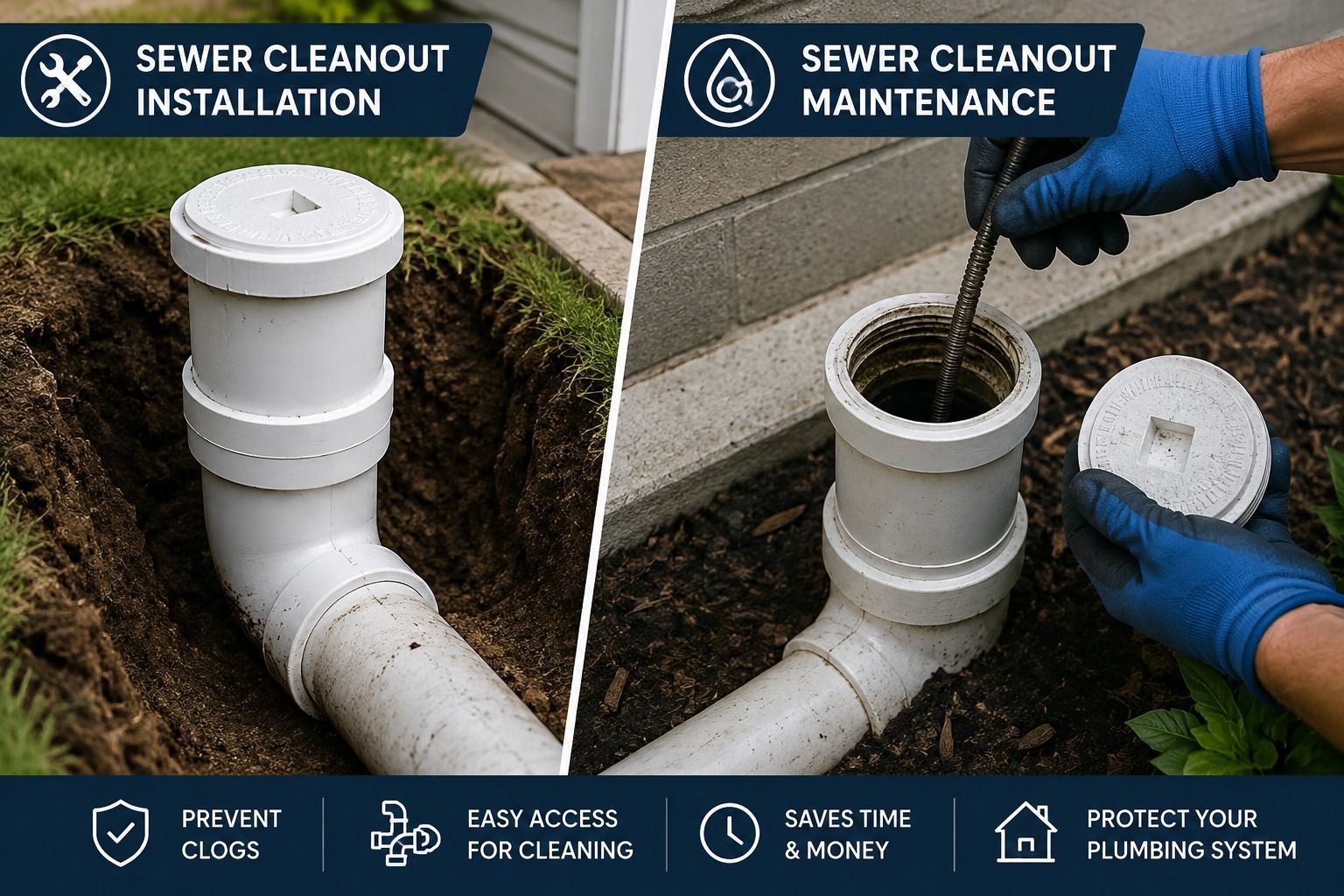
A sewer cleanout gives plumbers direct access to a property’s main sewer line. It works under a simple process. The cleanout has a removable cap. The plumber takes it off, and has a straight path into the pipe. From there they can run drain-cleaning tools or a camera through to inspect or clear the line. This matters most when problems keep coming back such as, slow drains, repeat clogs, sewage backups. A cleanout that’s installed right and easy to reach turns a big repair into a quick one. Most people don’t think about their cleanout until something backs up. If your drains clog often or you don’t know where your cleanout is located, get a plumber to check it. What Is a Sewer Cleanout It’s essentially a shortcut into your sewer line, a capped opening that lets a plumber in without digging up your entire setup. Pop the cap, and there’s direct access to the pipe. When something clogs in, the plumber pops the cap and inserts required tools straight through the cleanout. Why Is Sewer Cleanout Installation Important No sewer cleanout on your property? Finding the main line can be time consuming. Plumbers sometimes need to remove fixtures or excavate the yard just to reach the pipe. A properly installed cleanout skips all that. It gives you a direct point of entry for cleaning, inspections, and repairs, so nobody has to guess where a problem starts or tear up the yard to find out. Here’s what it actually gets you: Direct access to the main sewer line Sewer cleaning that doesn’t drag on Inspections without the runaround Blockages that are easier to pinpoint Less excavation, period Faster response when emergency repairs come up Simpler sewer cleanout maintenance, this year and every year after Older homes benefit the most. If your property’s had more than one sewer scare already, adding a cleanout now can spare you a bigger headache later. Step-by-Step Sewer Cleanout Installation Every property is different. So, how a sewer cleanout installation process actually goes, depends on the pipe material, depth, sewer layout and local code requirements. Here’s how a professional plumber typically handles the job. 1. Locate the Main Sewer Line The first step is to find the main sewer line. Plumbers pull this off using existing access points, property records, inspection cameras, or specialized locating tools. Accurate location means the new cleanout ends up exactly where it needs to be. 2. Choose the Cleanout Location Not every location is suitable. The cleanout has to be somewhere easy to reach, because sooner or later someone’s coming back for cleaning or inspection. Before picking the spot, the plumber factors in everything that makes the spot a good one. 3. Expose the Sewer Pipe Underground pipe means digging. The plumber excavates just enough to expose the section where the cleanout will connect. Careful excavation keeps the yard, driveway, or whatever’s up top from taking unnecessary damage. 4. Connect the Cleanout Now the cleanout fitting goes in. It connects to the existing sewer line and alignment matters here. The sealing is equally important. A loose connection means leak down and that’s a headache. 5. Install the Cleanout Cap As a hardware step, a removable cap goes over the access opening. It keeps dirt, debris and anything else out of the sewer line but still pops off easily when a plumber needs access again. 6. Test the Sewer Connection Once everything is connected, the plumber runs a test. Water needs to flow through cleanly, no leaks, nothing backing up. If the connection passes the inspection, it is good to go. What Is Sewer Cleanout Maintenance Sewer cleanout maintenance is all about keeping the access point clear, capped, and ready to go. When a plumber needs to get into the main line fast, a clogged or hidden cleanout slows everything down. A few things worth checking on regularly: Clear soil, mulch, or debris away from the cleanout Make sure the cap is on tight and undamaged Look for cracks around the fitting Watch for water or sewage pooling nearby Book a professional inspection now and then Deal with recurring sewer issues before they turn into a real problem Signs Your Sewer Cleanout Needs Attention Catching the warning signs early is what keeps a small sewer issue from becoming an expensive one. Watch for: Drains clogging often Several slow drains at once Sewage smell around the property Gurgling sounds from drains Standing water or sewage near the cleanout A cracked or missing cleanout cap Wastewater coming back up through sinks or tubs What Is Sewer Repair Sewer repair means fixing whatever’s gone wrong with the line. Blocked, leaked, cracked, or just old and failing. At times, roots get in, pipes age and shift, connections fail. There’s more than one way a sewer line can get damaged. The fix depends on the problem. All-Tex Plumbing covers sewer repair and maintenance for homes and businesses throughout Houston. Wondering when to call us? Here’s when: Backups happening more than once Several drains clogging at the same time A sewage smell that won’t go away Water pooling near the cleanout Cracks, shifting, or visible damage to the sewer line A damaged cleanout cap Having a cleanout on the property helps here too. It gives plumbers a direct line in for inspection, cleaning, and a lot of repair work, without wasting much time. Keep Your Sewer Cleanout Ready Sewer cleanouts don’t get attention until something backs up. By then it’s a bigger job. A properly installed cleanout gives your plumber fast access to the main line for cleaning, inspection, and repair and regular sewer cleanout maintenance keeps that access point working when you actually need it. Call All-Tex Plumbing for sewer cleanout installation and sewer cleanout maintenance in Houston and Lafayette today!
boiler repair houston
By DPA Admin April 30, 2026
Worried about low boiler pressure? All-Tex Boiler & Plumbing Services provides expert solutions to ensure safety, improve efficiency, and keep your heating system running smoothly. Contact us today!